From Social-Media-Experiment to international cooperation
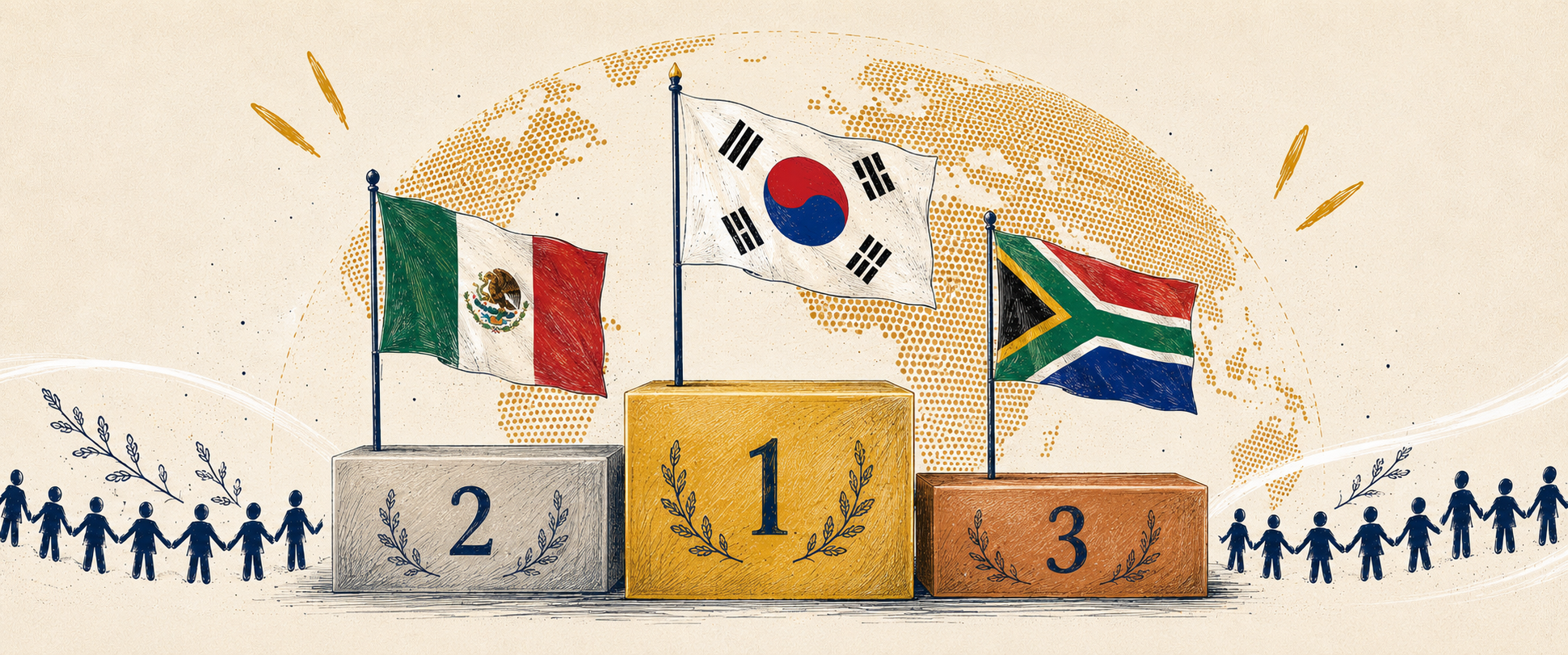
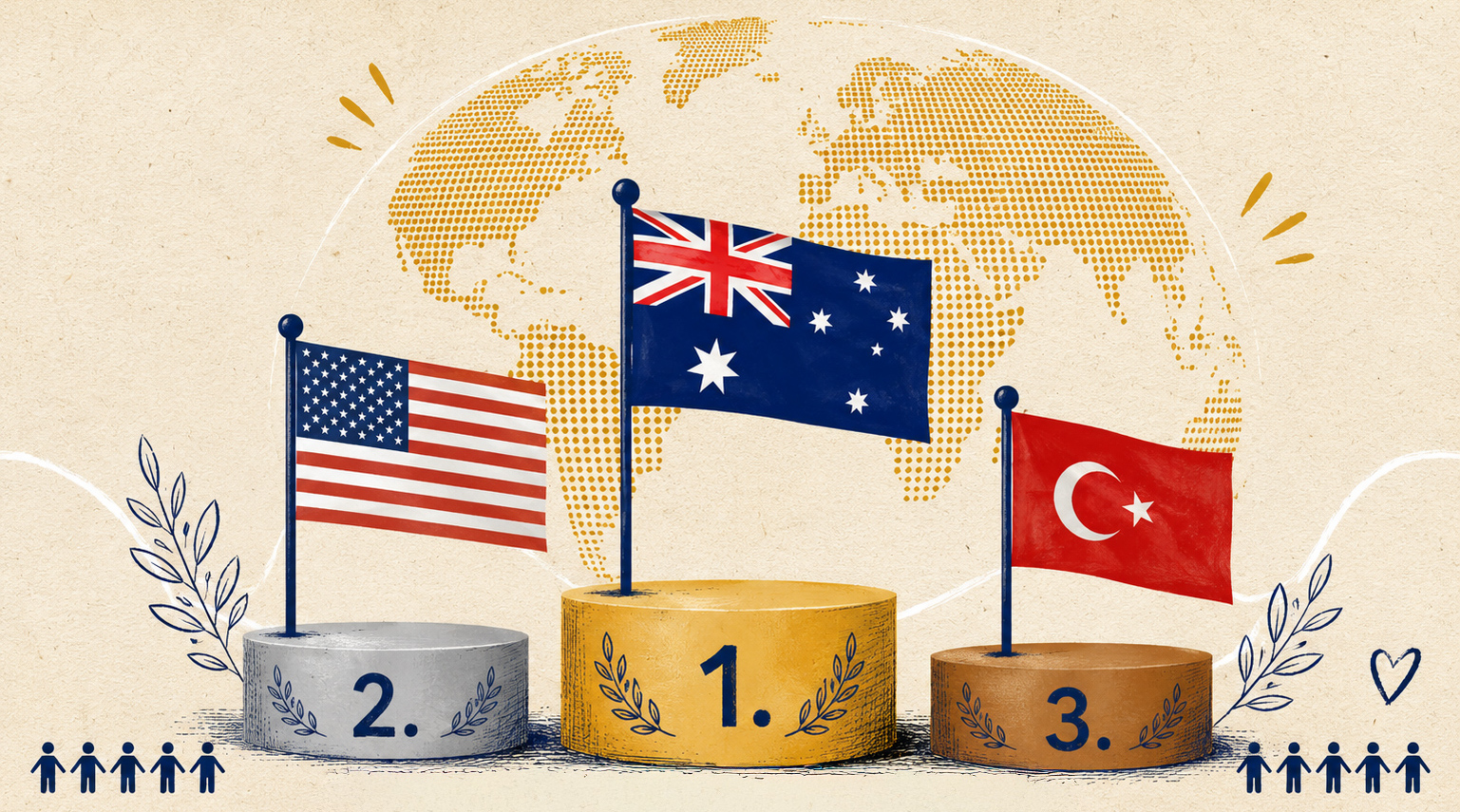
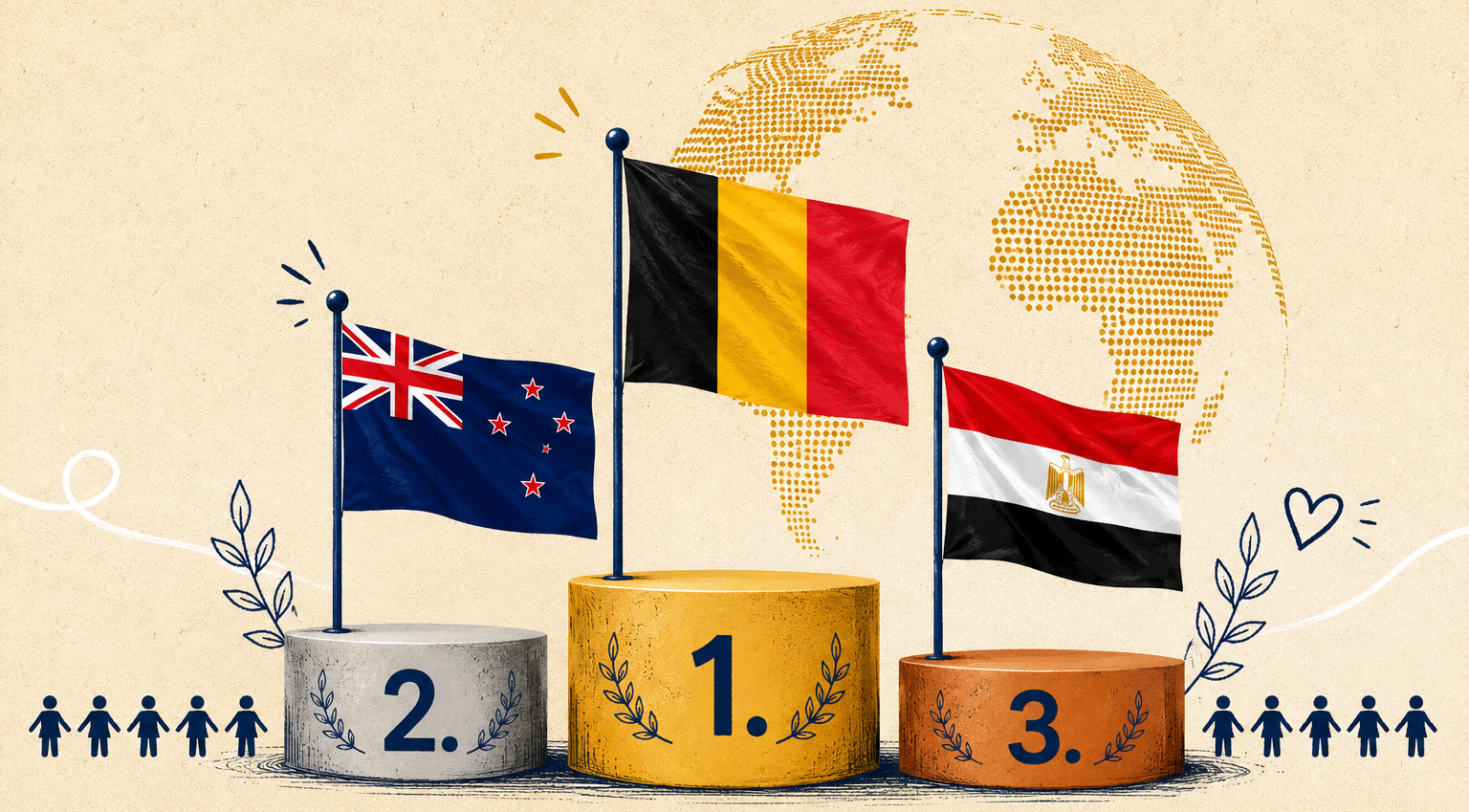
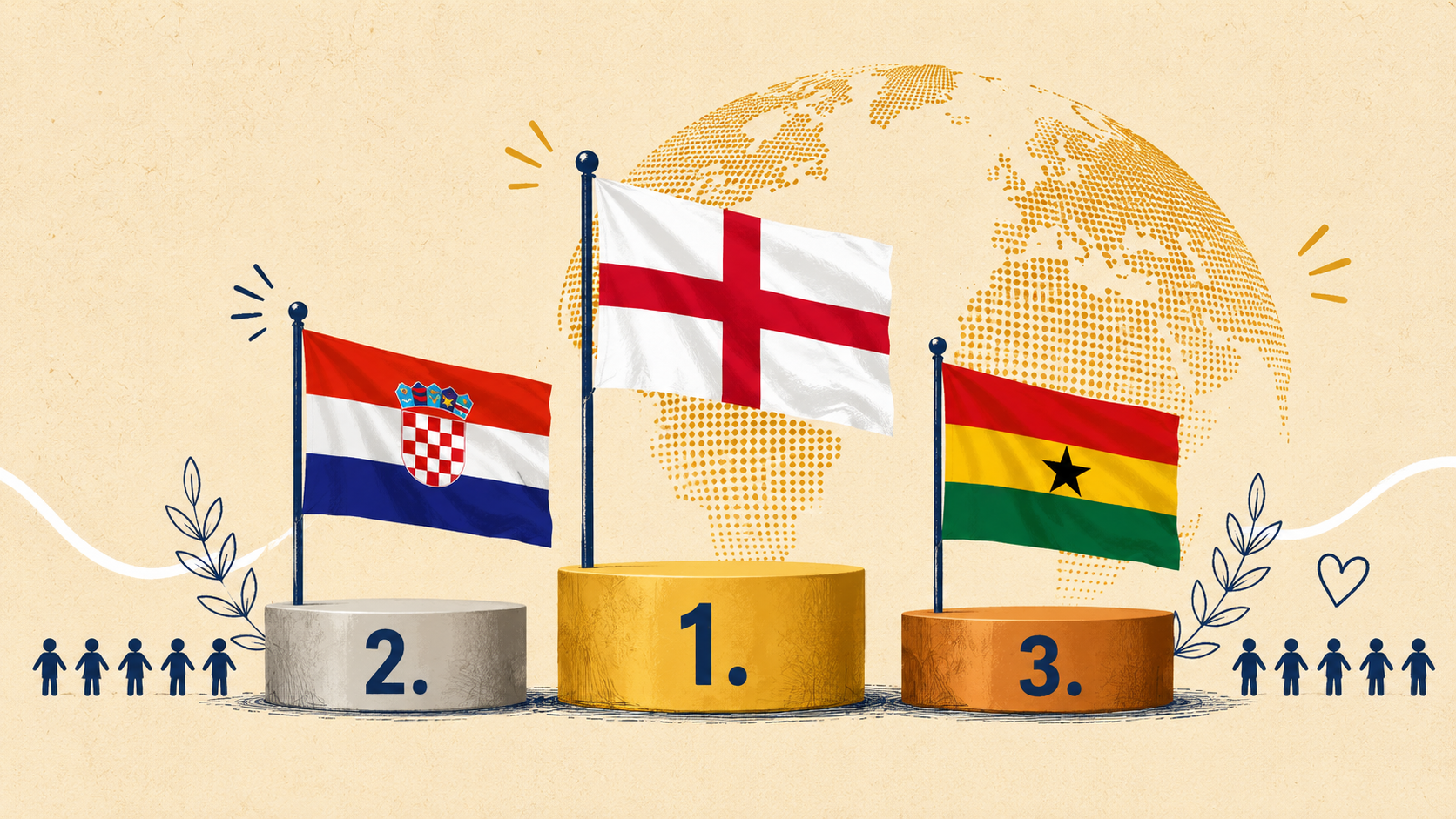
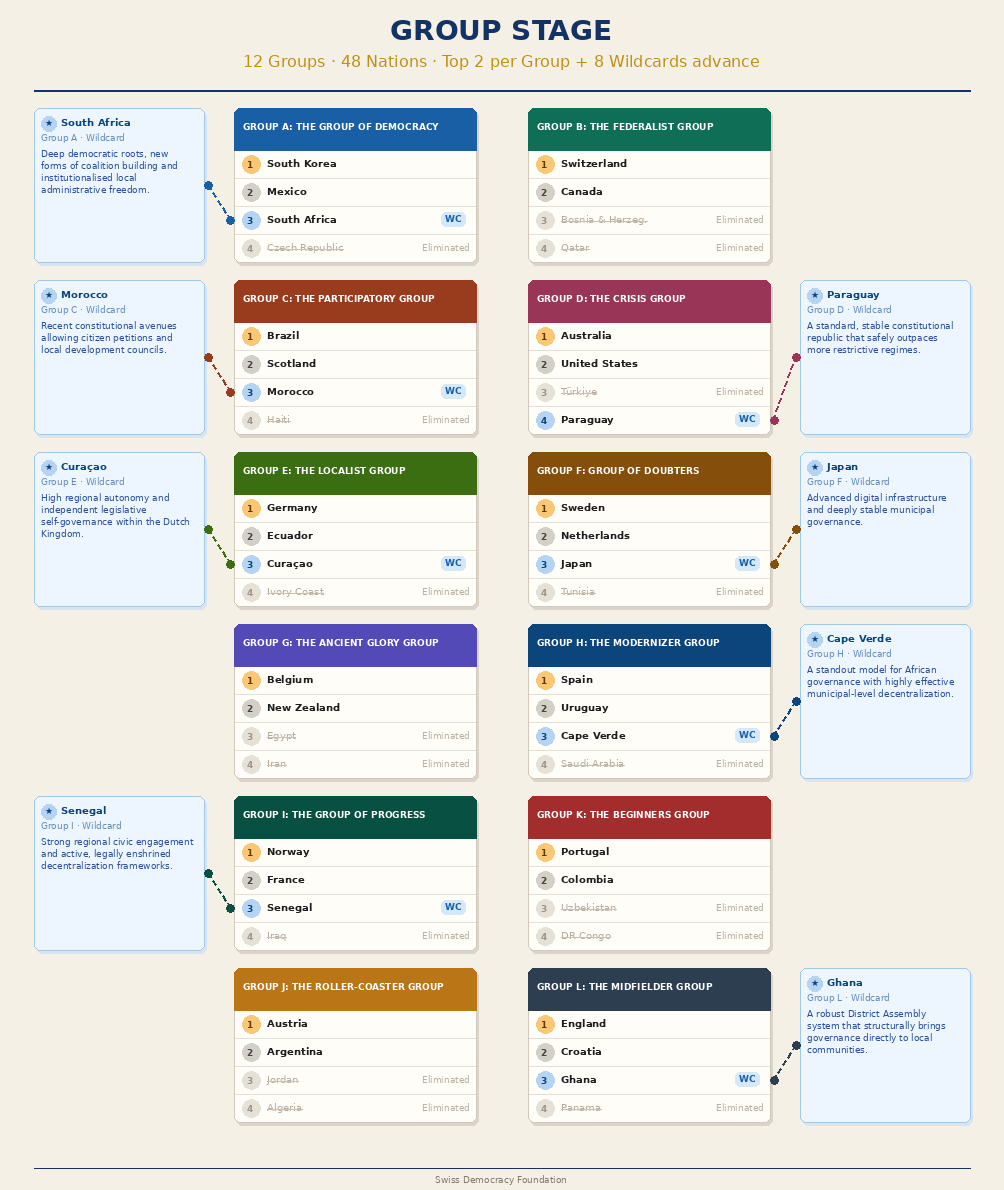
The campaign reached people in different parts of the world and sparked agreement, dissent and further contributions. This also highlighted just how difficult it is to make comparisons between democracies: which criteria matter, whose knowledge is taken into account, and whose experiences are overlooked? The world cup thus gave rise to an international conversation about democracy.
STARTING POINT FOR INTERNATIONAL DIALOGUE
Feedback from the Democracy World Cup has led to new contacts and concrete forms of cooperation. Together with International IDEA, we are currently preparing a regional dialogue forum in Southern Africa. People from civil society, the media, academia, youth organizations, and the diplomatic community will come together to share their experiences and highlight different perspectives on democratic development. The Democracy World Cup serves as a starting point for a broader question: How can international institutions listen without hastily categorizing local experiences into existing frameworks?
DEMOCRATIC PROCESSES OF LISTENING AND LEARNING
Democracies have elections, parliaments, referendums and participatory processes. However, there is often a lack of a reliable structure through which the experiences of the general public can be gathered, linked together, remembered and translated into institutional learning. Based on the discussions of recent months, we are therefore developing an initial approach to democratic processes of listening and learning. At the heart of this are the hopes, needs, responsibilities and abilities of different people. The initial elements are to be tested in practice and further developed collaborativelyfor example within the planned dialogue forum in southern Africa or within the upcoming Global Forum on Modern Direct Democracy in Botswana this October.
INVITATION TO DEMOCRACIA VIVA IN BUENOS AIRES
The questions posed by the Democracy World Cup have also sparked interest in Latin America. Asuntos del Sur has invited the Swiss Democracy Foundation to present the approach at Democracia VIVA in Buenos Aires and to explore it further together with democracy practitioners. The focus is less on the tournament itself and more on the questions of how public communication can give rise to new relationships, shared learning and concrete cooperation. It remains to be seen wether it will be possible to attend in person this year. Nevertheless, the invitation represents an important next step.