> K.O. Phase
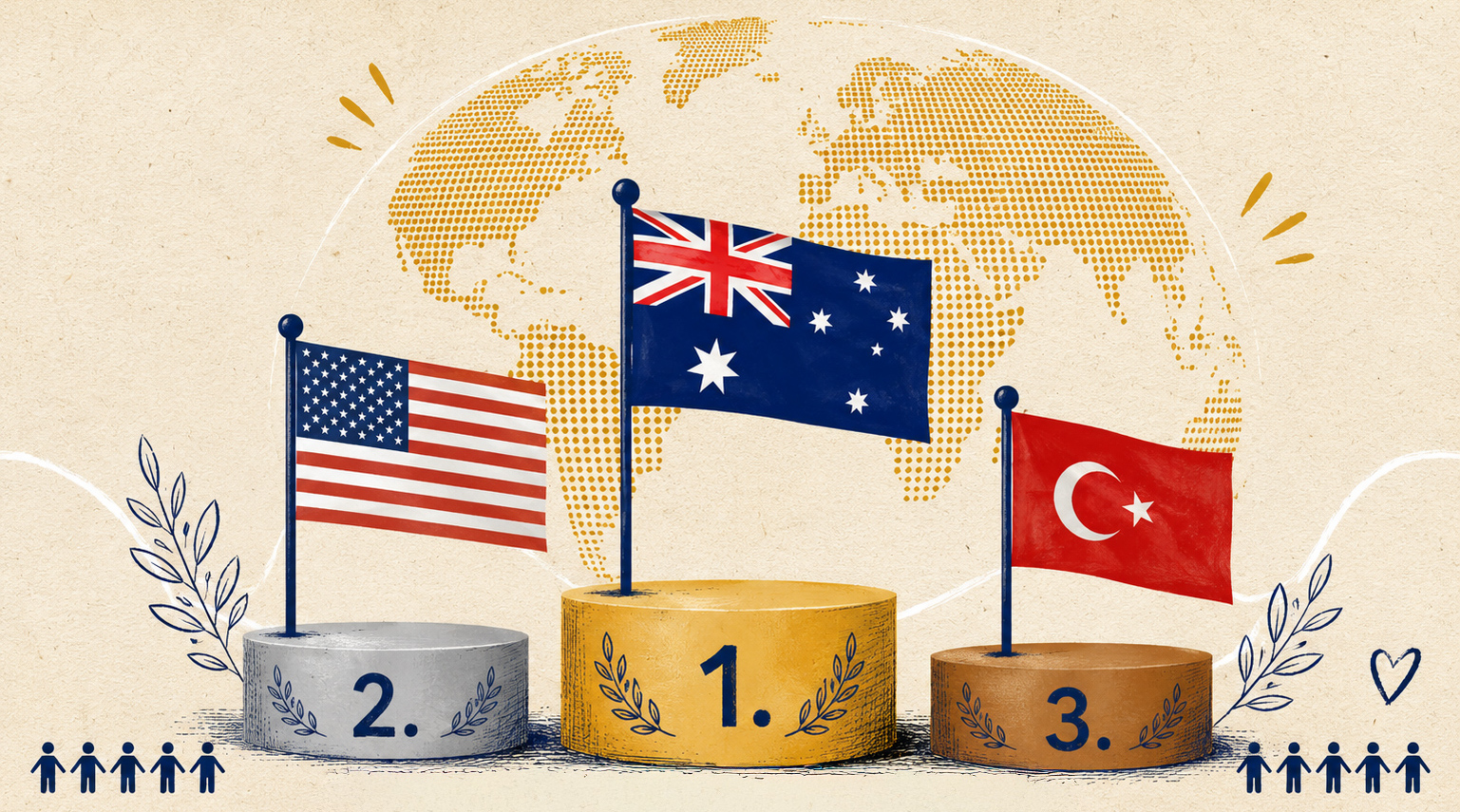
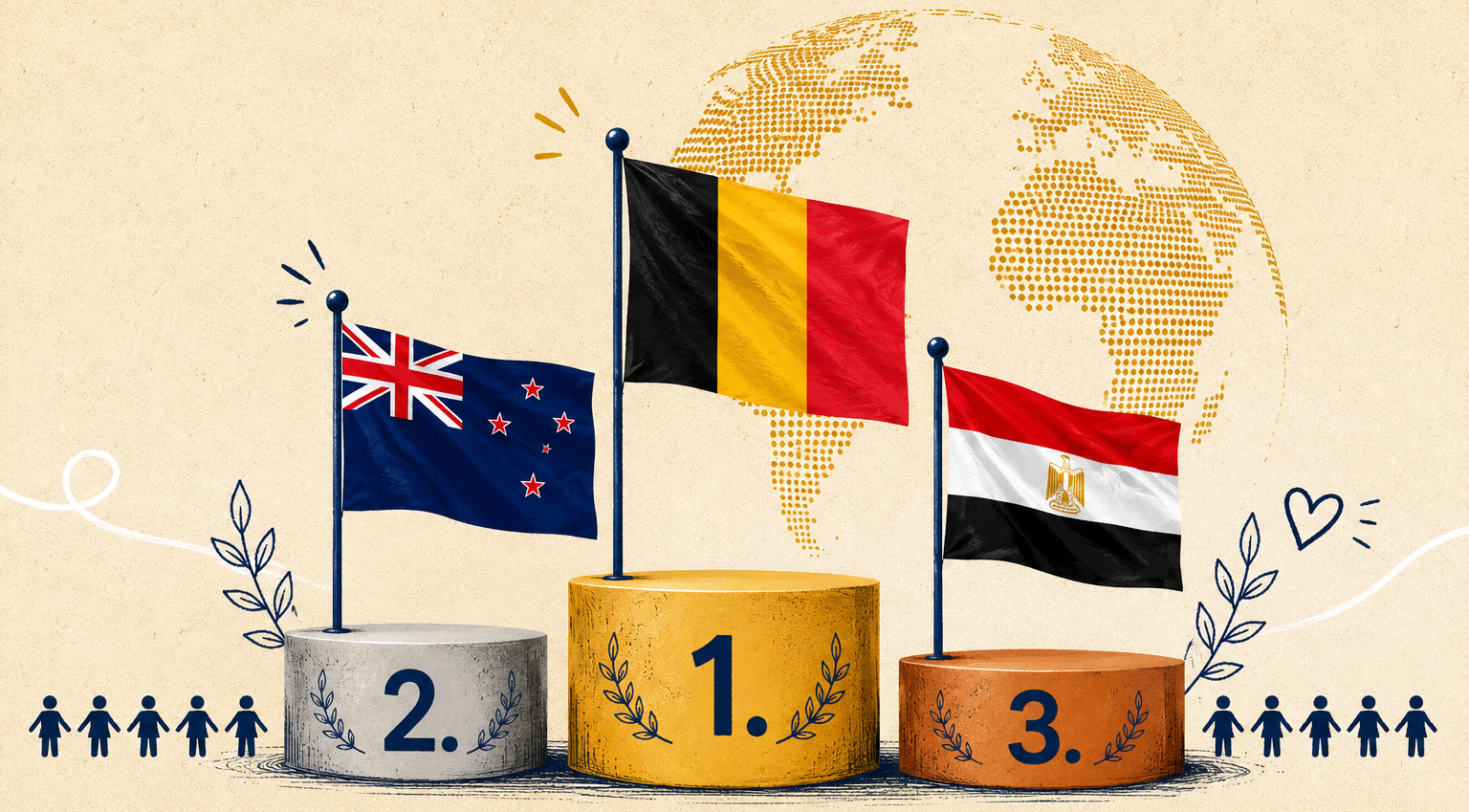
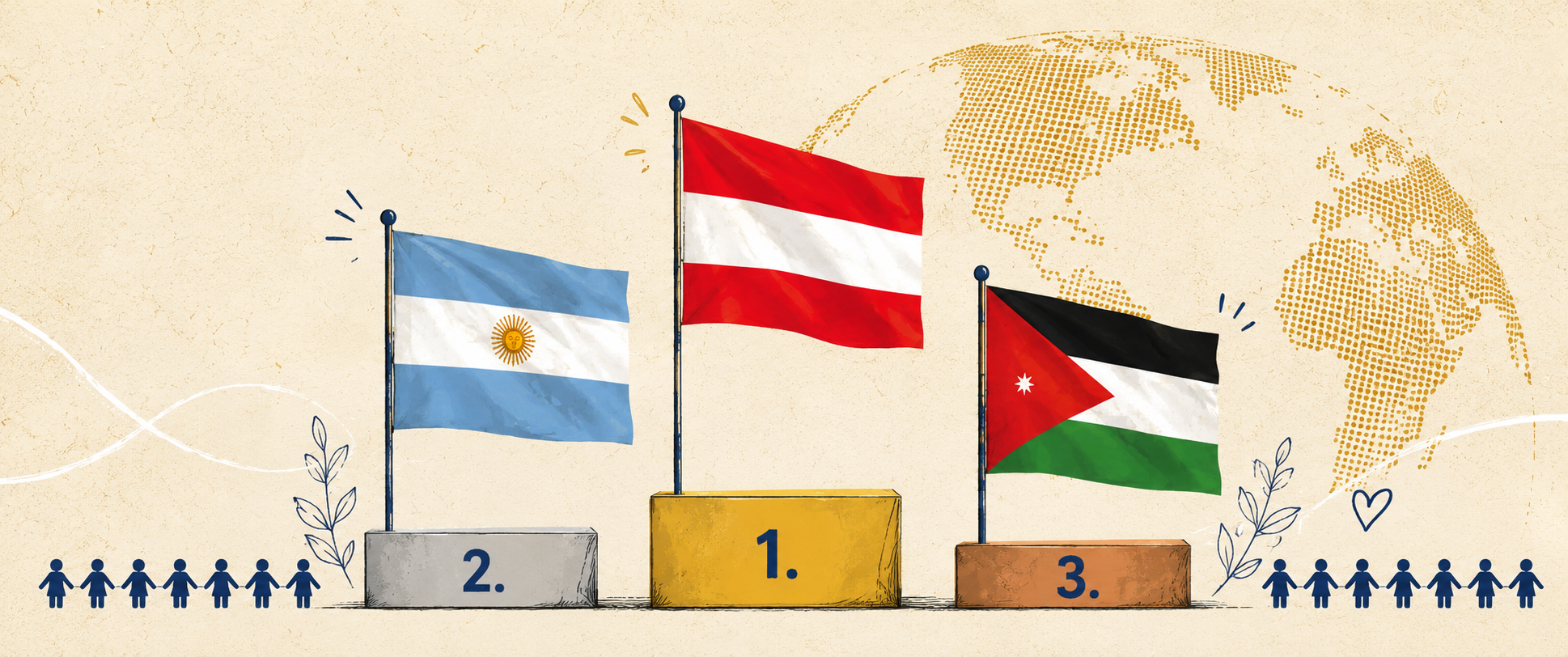
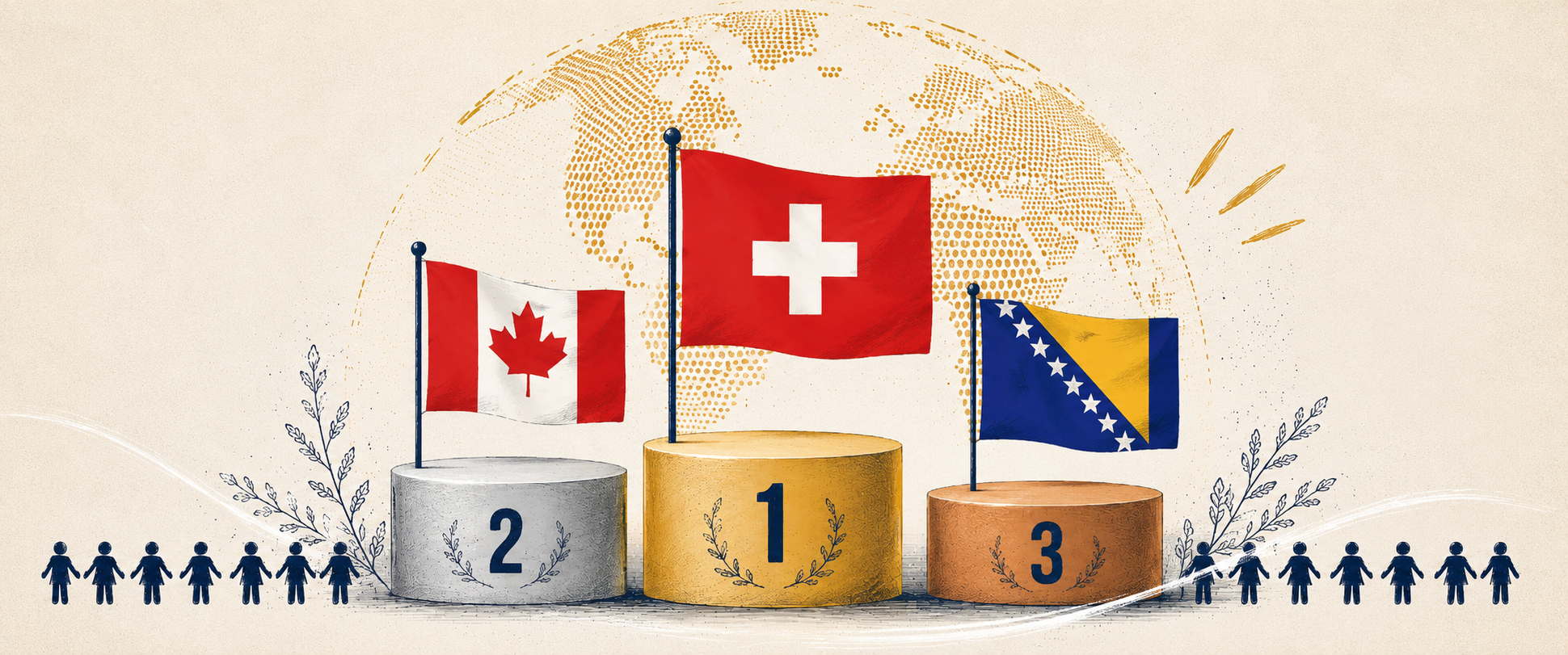
The football knockout bracket, decided instead by democratic quality.
The 48 teams qualified for this year's World Cup football tournament, – being held in Mexico, Canada and the U.S. – did that on very different merits from those we use in the Democracy World Cup.
Our tournament is decided by free and fair elections, the rule of law, and comprehensive forms of participatory, direct and local democracy. Here is how such a contest would play out among 48 countries, through 12 groups and 104 matches, if democracy, not goals, determined the winners.
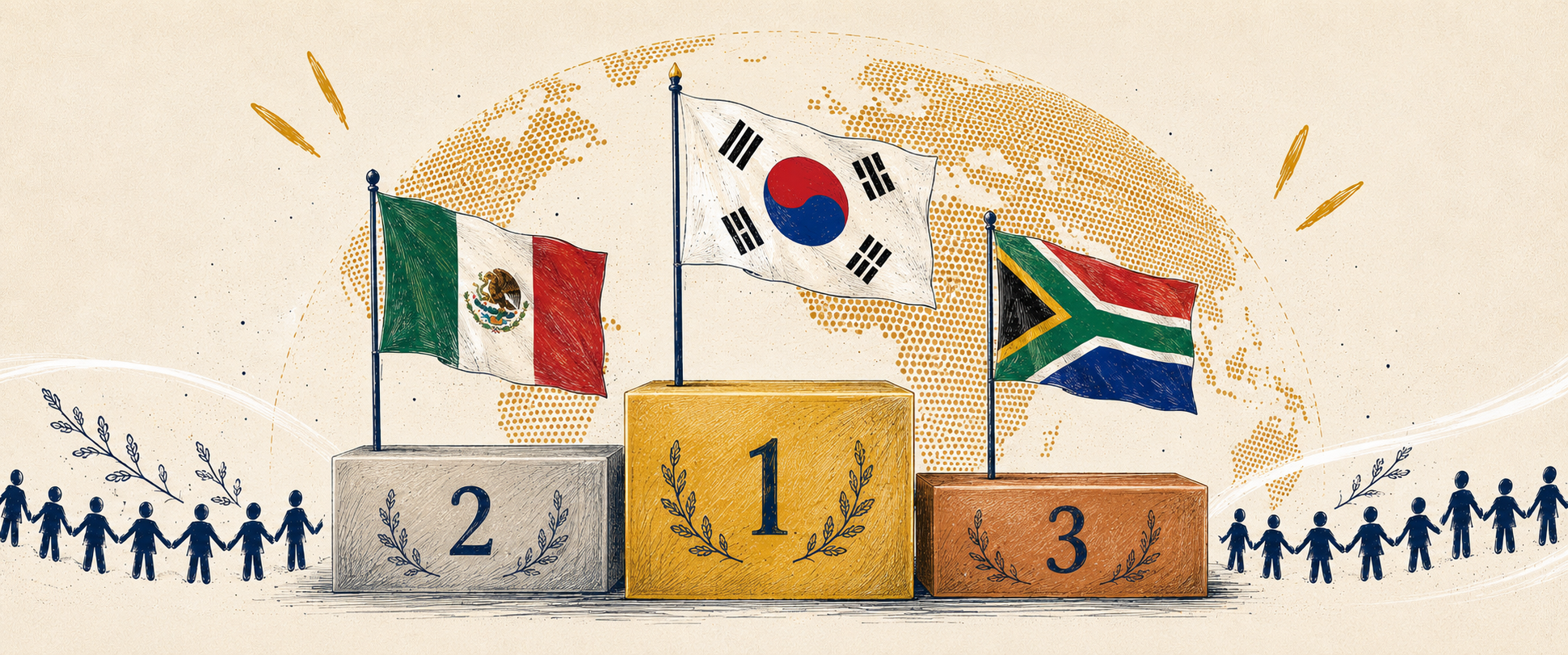
Mexico, South Africa, South Korea, Czech Republic
In the World Cup, the most competitive group is called “The Group of Death.” When measuring our way, Group A is the “Group of Democracy”.
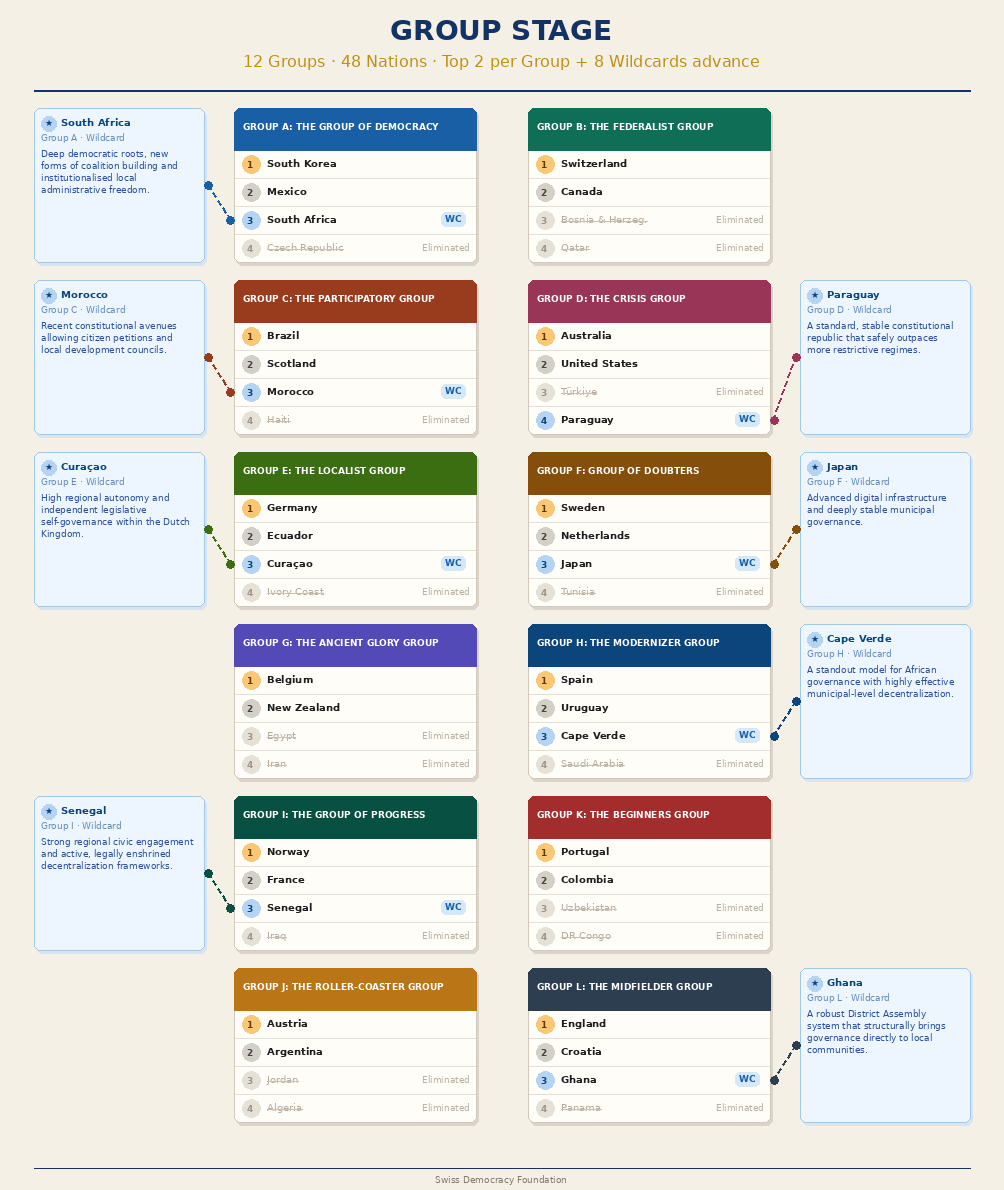
To determine which eight third-place finishers secure a wildcard spot in the Round of 32, we have to look closely at the gap between stable representative nations with emerging local autonomy and those bogged down by institutional paralysis or centralized autocratic structures. In this tier of the tournament, the advancing teams are separated by their structural baseline of civil liberties and their active, constitutional efforts to push power down to the municipal level.
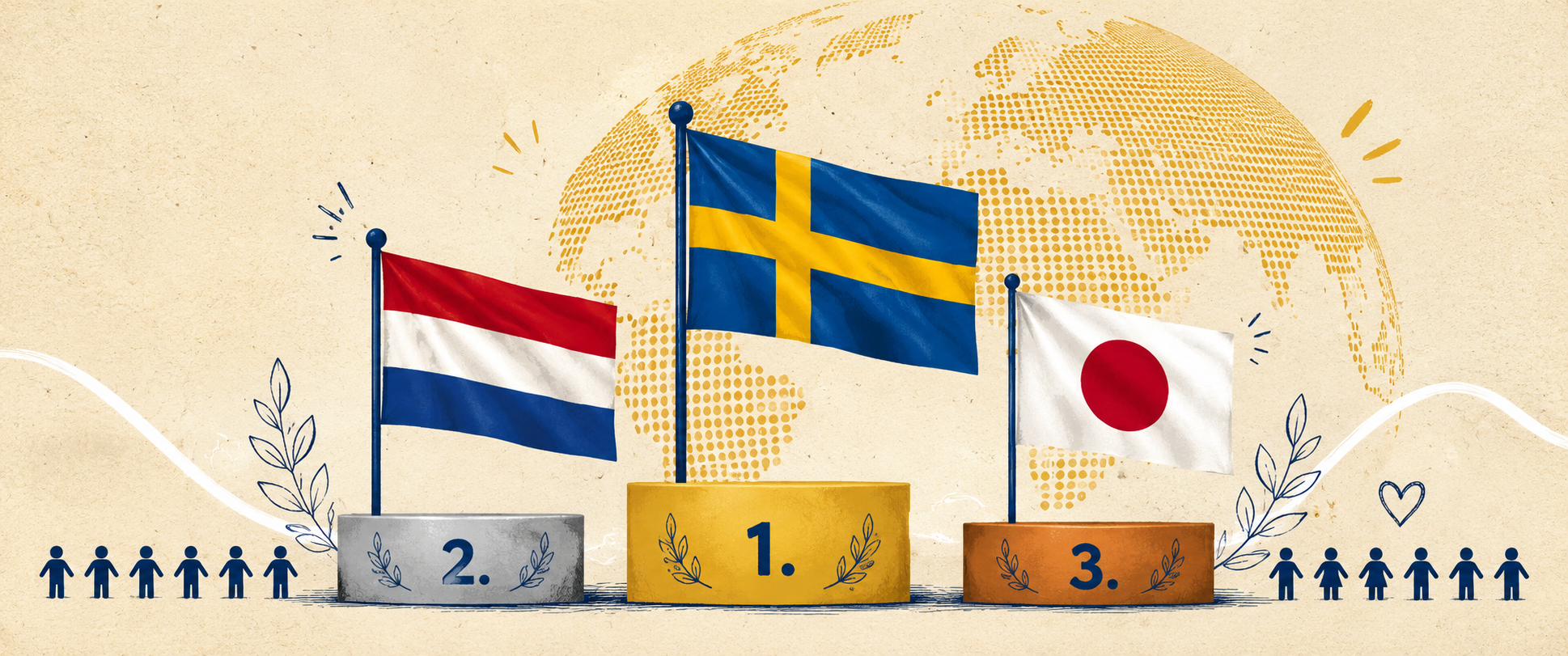
The powerhouses of this wildcard group are Japan and South Africa. While they lacked the flashy, cutting-edge direct democracy toolkits of their group winners, they boast institutional stability, efforts to overcome one-party regimes, and highly functional, transparent municipal bureaucracies.
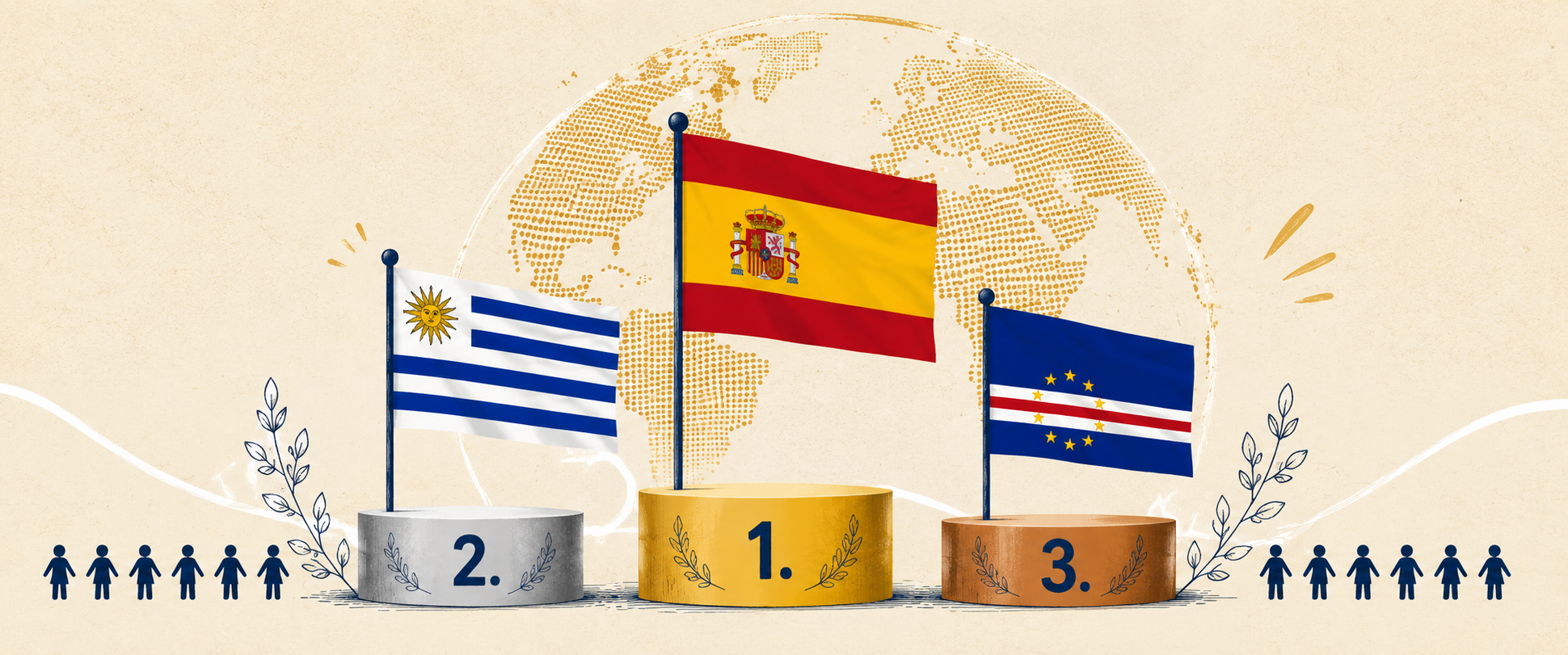
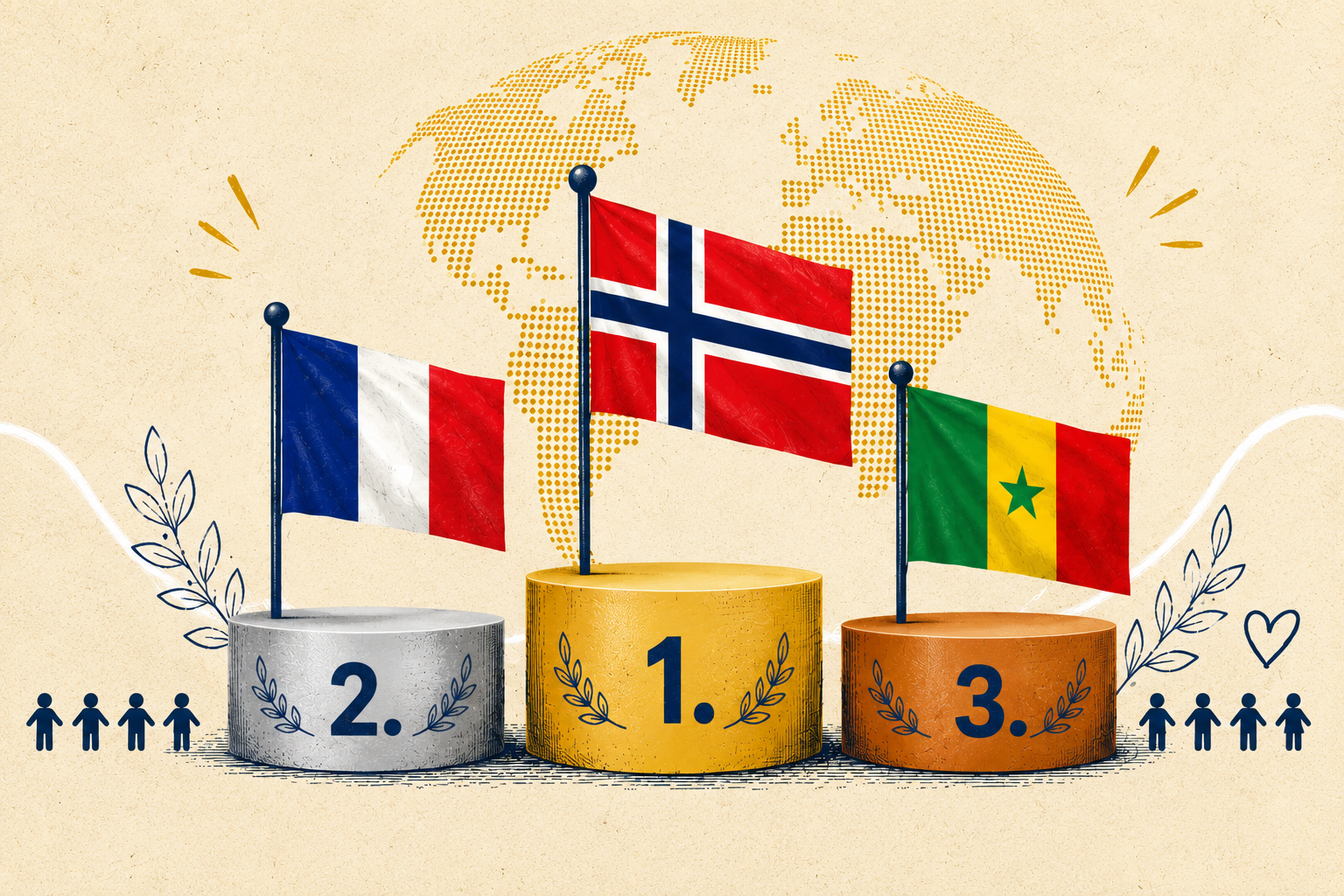
Joining them are another trio of African overachievers: Cape Verde, Senegal, and Ghana. These three nations advance because they have spent the last few decades codifying decentralization into law—such as Ghana’s District Assembly system and Senegal’s "Acte III" reforms—giving local communities far more fiscal and political agency than standard developing nations.
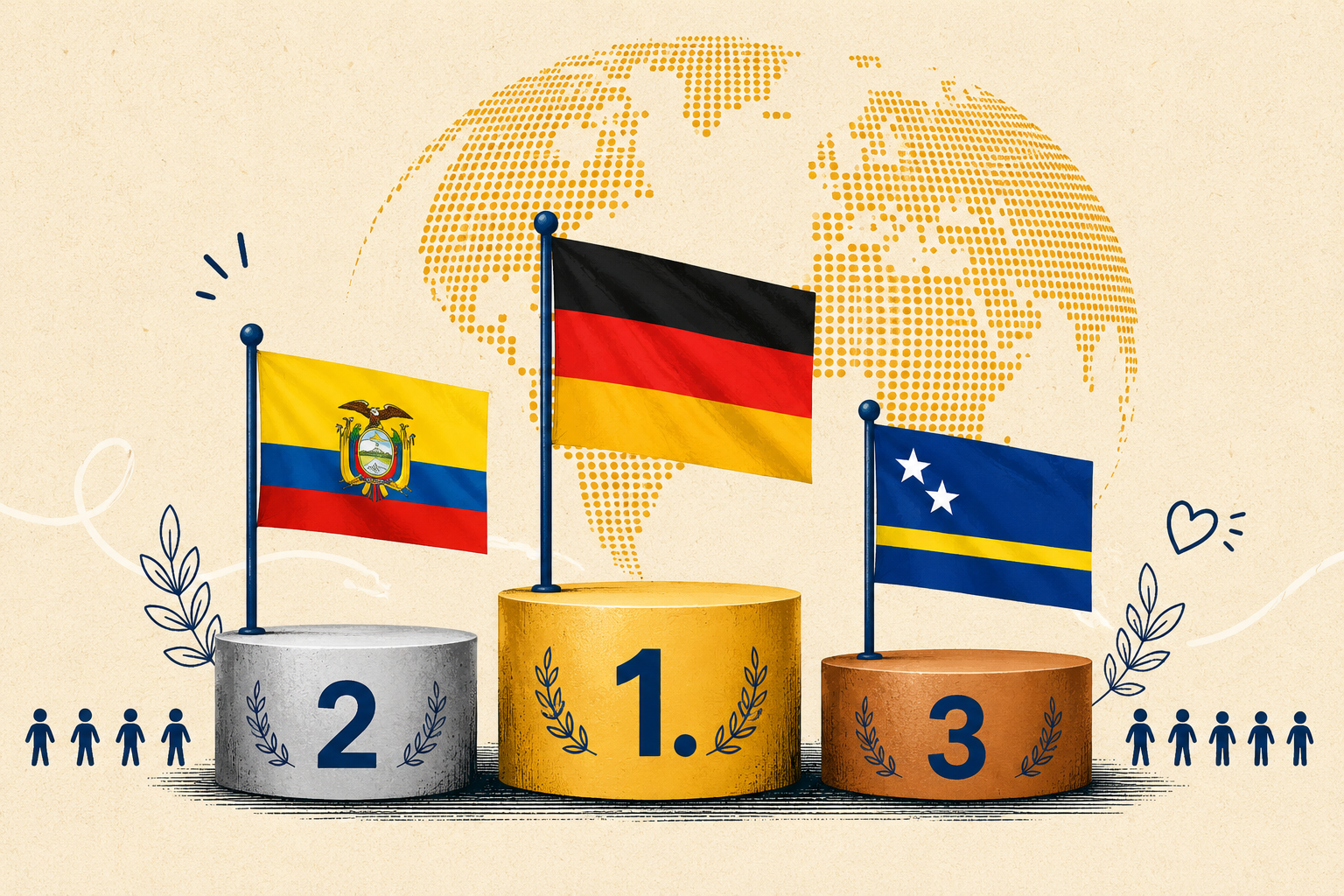
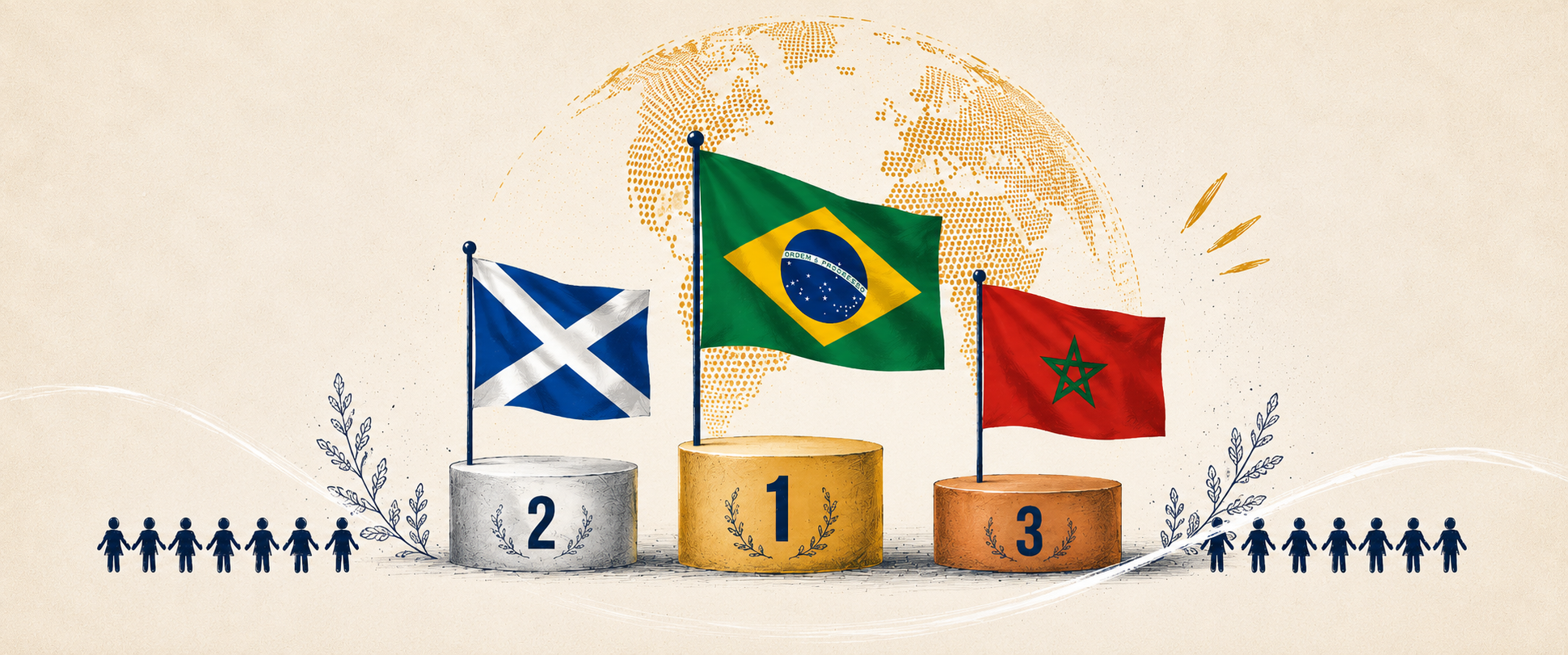
Curaçao claims a spot due to its robust island-level self-governance, while Paraguay and Morocco squeeze through the door simply by maintaining functioning constitutional frameworks and basic local petition mechanisms that outclass the remaining competition.
Bosnia and Hervegovina (Group B) – Eliminated due to severe administrative fragmentation and ethnic veto gridlocks that paralyze citizen agency.
Jordan (Group J) – Left behind due to heavily centralized executive and monarchical power that leaves little room for grassroots tools.
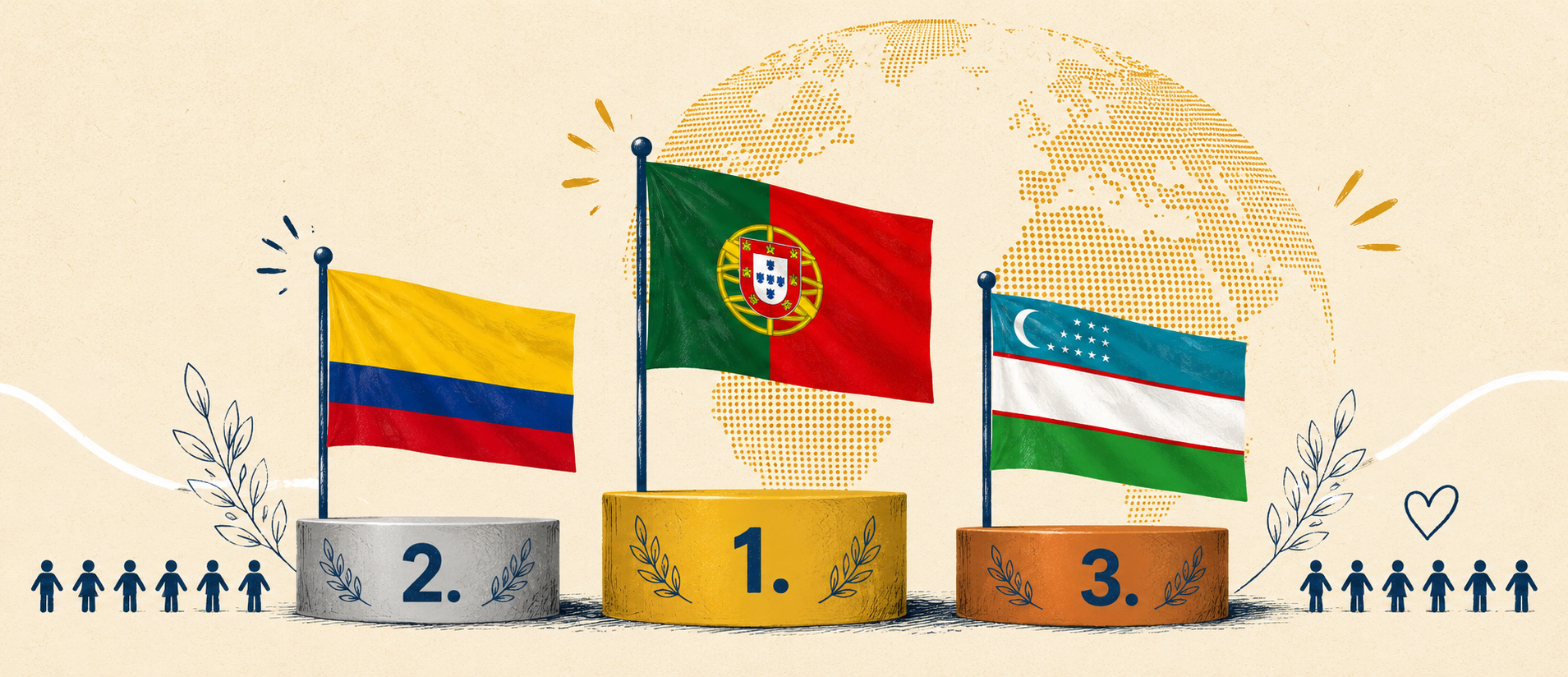
Uzbekistan (Group K) – Despite minor modern digital feedback upgrades, it remains too hyper-centralized to compete.
Egypt (Group G) – Finishes at the bottom of the wildcard tier due to a highly centralized state apparatus with minimal genuine participatory avenues.
> K.O. Phase